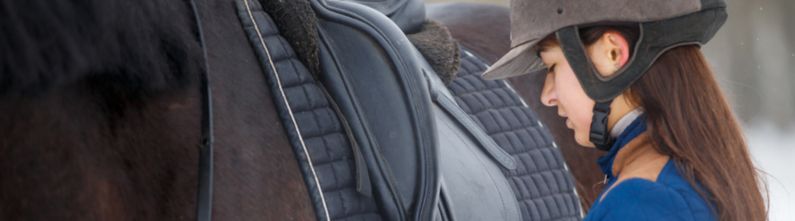
When temperatures drop, many riders start asking the same question: how cold is too cold for horses? While winter horseback riding can be a rewarding experience for riders of all levels when conditions are right, safety always comes first. At Touch of Chrome, every cold-weather ride is carefully evaluated to protect both horse welfare and ride safety. So, keep reading to learn when cold-weather riding is still safe, what factors matter most, and what riders should know before heading out.
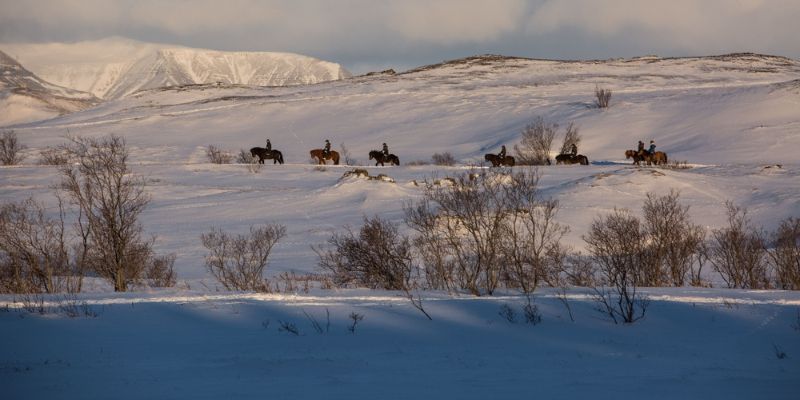
Do Horses Get Cold In Winter?
Yes, horses can get cold in the winter, but not as easily as people do. Many people assume that winter automatically makes horseback riding uncomfortable or unsafe, but the reality is that horses are not as sensitive to cold as we might think, especially when they are healthy and conditions are not extreme.
In Fort Worth, TX, winters are relatively cool and often windy, with average low temperatures around 37°F (3°C) during the coldest months of December and January, and average highs near 57°F (14°C). Temperatures below 25°F (-4°C) are uncommon in this area. Because of this, most winter conditions in Fort Worth fall within a range that horses can tolerate well.
Horses have natural adaptations that help them handle cold weather, including a thicker winter coat that insulates the body and helps retain warmth. Also, with time to adjust to seasonal changes and access to shelter or a windbreak, many horses remain comfortable in cooler weather, often long after riders start to feel cold. That said, wind and moisture can reduce natural insulation, which is why conditions beyond temperature matter when deciding whether it’s safe to ride.
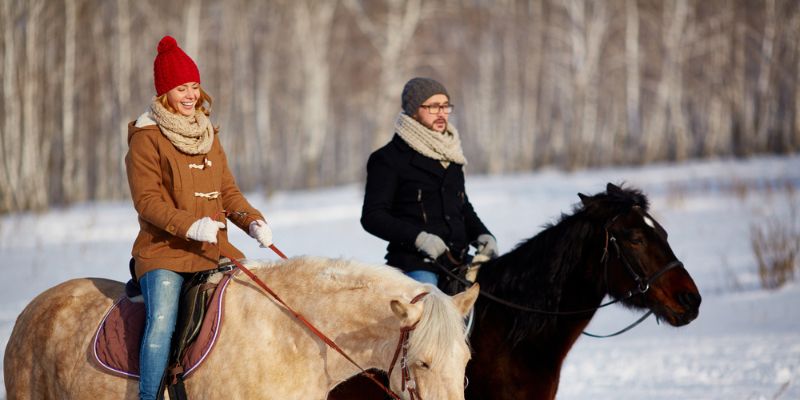
How Cold Is Too Cold for Horses to Ride?
There is no single outside temperature that automatically makes horseback riding unsafe. As mentioned above, horses in winter can tolerate colder conditions than people often expect, thanks to their natural insulation and ability to adapt. This is why professional ranches evaluate a combination of temperature conditions and exposure before offering rides.
When Cold Weather Is Still Safe for Riding
Cold weather riding can still be safe when temperatures remain roughly between 35°F and 50°F (2°C to 10°C), and conditions are dry and calm. In this range, many horses remain comfortable, especially when they are moving steadily and exposed to minimal wind. Cold air alone is usually not an issue, and horses can maintain body heat naturally during short to moderate rides when there is no snow or ice on the ground.
When It’s Too Cold to Offer Horseback Rides
Riding conditions become more concerning when temperatures drop closer to or below freezing (32°F/0°C), particularly when combined with strong wind, moisture, or icy footing. Snow and ice, frozen ground, and harsh wind chill can reduce a horse’s comfort and affect safe movement on the trails. In these conditions, even healthy horses may lose heat more quickly, and rider safety can also be compromised, which is why ranches may shorten, delay, or cancel rides.
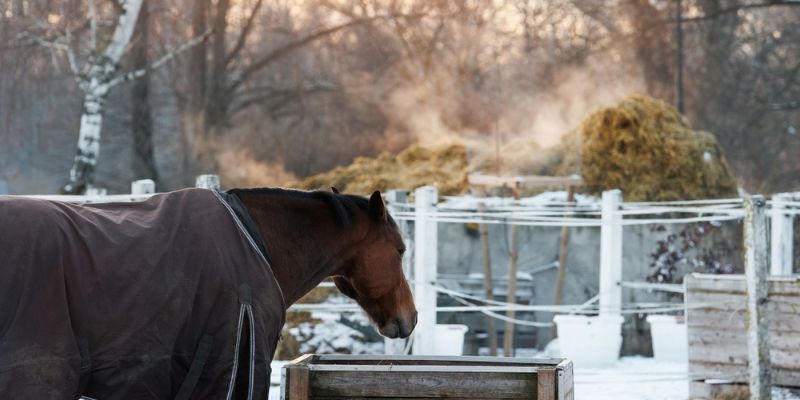
Factors Ranches Consider Before Offering Horseback Rides
At Touch of Chrome, decisions around cold-weather rides go beyond simply checking the forecast. Each day is evaluated carefully, with both horse welfare and rider safety in mind. Weather conditions, footing, and overall comfort all play a role in determining whether conditions are appropriate.
Temperature and Wind Chill
Temperature is an important starting point, but wind chill often has a greater impact than the temperature reading. Cold air combined with strong wind can increase body heat loss and make conditions feel much harsher. Even when temperatures fall within a reasonable range, excessive wind may lead to shorter rides or cancellations.
Ground and Trail Conditions
Safe footing is essential for a safe ride. Frozen ground, mud, snow, and ice can reduce traction and stability, increasing the risk of slips or injuries. Winter weather can change trail conditions quickly, which is why ground and trail safety must be closely monitored before offering rides.
Horse Comfort and Protective Measures
Horse comfort is a key part of resposible horse care in the winter. Factors such as a horse’s winter coat, activity level, and overall health condition are considered alongside weather exposure and ride duration. Also, protective measures, such as blanketing, when appropriate, can help support horses in colder temperatures, but comfort and mobility are always evaluated together.
Rider Safety and Experience
Cold conditions can also affect riders. Reduced comfort, stiff muscles, and heavy clothing may impact balance and control. These factors are considered to ensure that the overall experience remains safe and enjoyable.
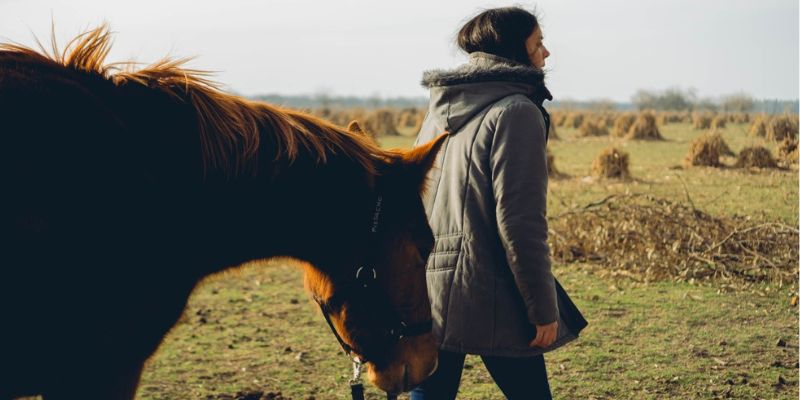
Tips for Riding Horses in Cold Weather
Now that you understand how cold weather conditions affect both horses and riders, a few simple precautions can make a big difference. Below are some helpful tips to keep rides in cold temperatures safe and comfortable:
- Dress appropriately for the weather. Wear layered clothing, short coats, insulated gloves, and weather-appropriate boots to stay warm without restricting movement.
- Adjust your pace and ride with caution. Slower, steady movement helps maintain balance and traction, especially on icy or uneven ground.
- Stay aware of footing and visibility. Frozen or slick trails require extra attention, and shorter winter daylight means visibility can change faster than expected.
- Listen to your body and your horse. Cold temperatures affect both riders and horses, so staying comfortable, hydrated, and aware of fatigue is key.
- Follow ranch guidance at all times. Ranch recommendations are based on current conditions and safety considerations for everyone involved.
For more cold-weather riding advice, check out our blog 10 Essential Tips for Safe Horseback Riding in Winter, where we share more in-depth guidance to help you prepare.
Horseback Riding in Cold Weather at Touch of Chrome, Done Safely
Understanding how cold is too cold for horses helps set clear expectations when planning a ride during the winter months. With the right conditions and thoughtful decision-making, cold-weather riding can be a very enjoyable experience. Here at Touch of Chrome, we always put your horse’s comfort and your safety first because we want everyone to have a great time. So, if you’re thinking about riding in cooler weather or have any questions about the current conditions, just reach out or book a ride. We’re always here to help and are excited to ride with you!